
Show table of content Hide table of content
While major automakers chase premium hybrid SUVs with complex electrification, Dacia breaks new ground with an unconventional approach. The Romanian brand prepares to unveil a revolutionary powertrain combining four-cylinder atmospheric architecture, light hybridization, LPG compatibility, and mechanical all-wheel drive. This 154-horsepower configuration targets drivers seeking genuine off-road capability without sacrificing fuel economy or affordability.
The upcoming Duster variant represents a strategic gamble on simplicity. By avoiding turbochargers and automatic transmissions, Dacia delivers a durable solution that maintains low ownership costs. The Crit’Air 1 certification further sweetens the deal for environmentally conscious buyers operating in restricted urban zones. No competitor currently offers a 4×4 LPG hybrid SUV, positioning this model in a category of one.
Technical innovation meets accessible engineering
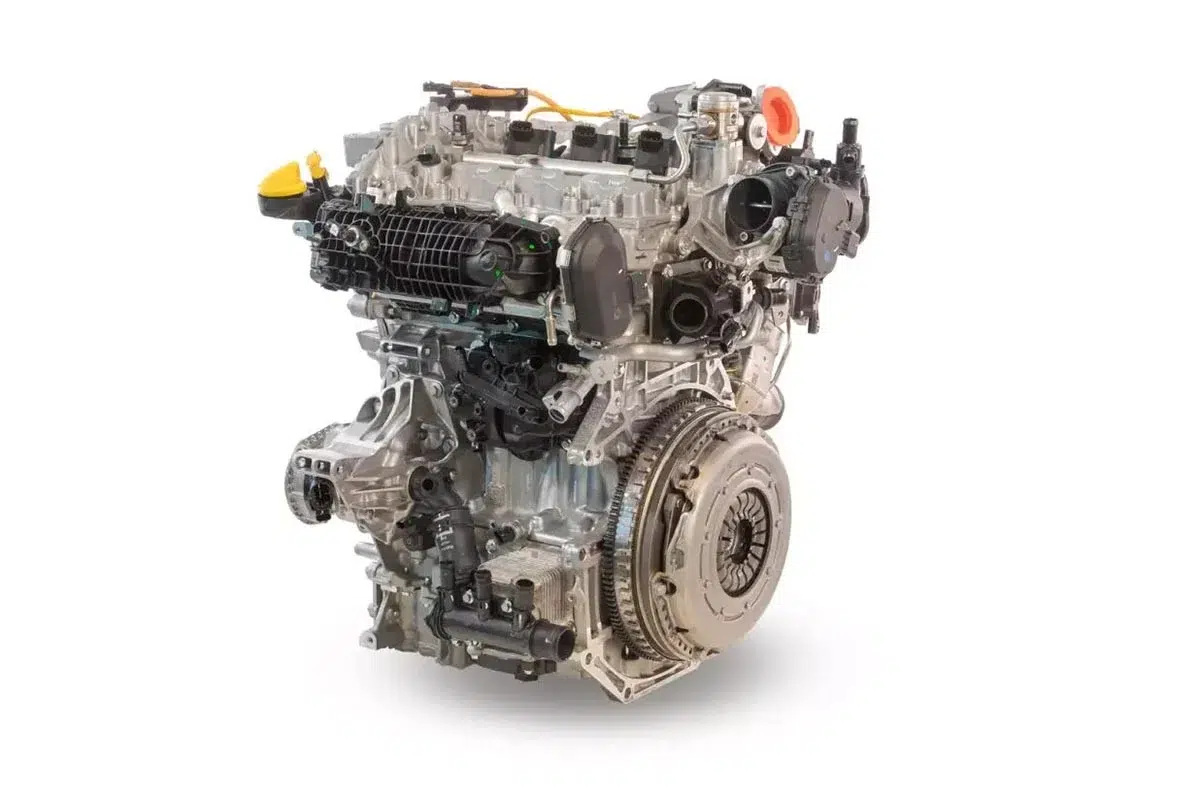
Dacia’s new 1.6-liter naturally aspirated engine integrates 48-volt mild hybrid technology alongside dual-fuel capability. The system features a 0.8 kWh battery pack and an electric motor-generator that enables brief zero-emission phases during low-speed maneuvering. This configuration allows seamless switching between gasoline and LPG without driver intervention, automatically selecting the most efficient fuel source.
The atmospheric design eliminates turbo complexity while maintaining adequate power delivery. Combined output reaches 154 horsepower, providing respectable performance even when activating the mechanical all-wheel-drive system. The six-speed manual transmission preserves direct driver engagement, a hallmark of vehicles built for challenging terrain. Just as enthusiasts explore suspension upgrades for Jeeps, this Dacia prioritizes functional capability over unnecessary refinement.
MechanicWhy the IROC Camaro billet steering wheel is the ultimate custom upgrade choiceThe dual-fuel architecture delivers remarkable range capabilities. With both tanks filled, drivers can expect over 1,000 kilometers between refueling stops, rivaling diesel efficiency while maintaining lower emissions. The LPG system operates transparently, switching fuels based on availability and driving conditions. This flexibility proves invaluable for rural users or adventure seekers venturing beyond urban infrastructure.
| Specification | Value |
|---|---|
| Engine displacement | 1.6L atmospheric |
| Combined power output | 154 hp |
| Hybrid battery capacity | 0.8 kWh |
| Transmission | 6-speed manual |
| Drive configuration | 4×4 mechanical |
| Fuel compatibility | Gasoline + LPG |
| Environmental rating | Crit’Air 1 |
Off-road credentials without compromise
The exclusive 4×4 configuration distinguishes this powertrain from conventional LPG vehicles, which typically feature front-wheel-drive only. Dacia engineers paired the hybrid system with intelligent all-wheel drive that activates according to selected driving modes. On degraded surfaces, snow, or mud, the system distributes torque where needed most, maintaining the Duster’s proven off-road reputation.
Ground clearance remains generous, complementing the mechanical grip provided by four driven wheels. The naturally aspirated engine delivers predictable power delivery without turbo lag, advantageous when navigating technical sections requiring precise throttle control. This approach mirrors the philosophy behind choosing appropriate suspension systems for trucks, where reliability trumps complexity.
Unlike plug-in hybrids requiring charging infrastructure or full electrics with range anxiety, this solution operates anywhere fuel exists. The mild hybrid system assists without demanding special treatment, recovering energy during deceleration to power onboard systems. Drivers accustomed to traditional mechanics will appreciate the straightforward operation, free from concerns about battery degradation or electric motor servicing.
Market positioning and value proposition
Dacia targets a segment abandoned by premium brands chasing higher margins. While competitors push expensive hybrid systems with complex electronics, this Romanian manufacturer focuses on essential functionality. The anticipated pricing below €28,000 undercuts comparable all-wheel-drive hybrids by significant margins, making advanced technology accessible to budget-conscious buyers.
The Crit’Air 1 certification provides unrestricted urban access in French cities implementing pollution-based restrictions. Combined with rock-bottom LPG fuel costs, this creates compelling economics for high-mileage drivers. Fleet operators and rural residents particularly benefit from the dual advantages of low running expenses and genuine off-road capability.
MechanicAre Lincoln plug & play air suspension kits reliable ? Complete reliability guideKey advantages include :
- Unmatched range exceeding 1,500 km with combined fuel tanks
- Environmental credentials through Crit’Air 1 eligibility
- Mechanical simplicity ensuring affordable maintenance
- True 4×4 capability rivaling dedicated off-roaders
- Dual-fuel flexibility eliminating range concerns
This strategy reinforces Dacia’s identity as the pragmatic alternative to overengineered competitors. The brand demonstrates that advanced technology need not involve prohibitive costs or unnecessary complexity. Much like enthusiasts debate optimal lift configurations for classic trucks, practical buyers seek solutions balancing capability with value.
Practical implications for diverse users
The hybrid LPG 4×4 serves multiple customer profiles effectively. Rural residents benefit from all-weather traction without sacrificing fuel economy during daily commutes. Adventure enthusiasts gain genuine off-road credentials alongside extended range for remote destinations. Even urban dwellers appreciate the environmental certification and low operating costs.
The manual transmission maintains driver involvement while keeping mechanical complexity minimal. Six forward gears provide adequate ratio spread for both highway cruising and low-speed trail navigation. Similar to considerations when selecting appropriate lift kits for heavy-duty trucks, the emphasis falls on functional performance rather than flashy features.
Dacia’s approach proves that innovation doesn’t require reinvention. By combining proven technologies in novel configurations, the brand delivers unique value. The atmospheric engine avoids turbo reliability concerns, the mild hybrid assists without demanding infrastructure, and LPG capability slashes fuel expenses. This combination creates a practical ownership proposition unmatched in the current market.
MechanicHow much is a oil change at Nissan ?The upcoming launch positions Dacia as the affordable alternative for buyers rejecting expensive electrification. Whether traversing mountain passes or navigating city traffic, this powertrain delivers versatility without compromise. Like enthusiasts exploring complete suspension upgrades for Wranglers, customers can enhance their vehicles knowing the foundation prioritizes durability and function over frivolous technology.
