
Show table of content Hide table of content
Toyota stands at a strategic crossroads with its legendary Land Cruiser nameplate, preparing two controversial projects that threaten to reshape decades of off-road heritage. While European markets eagerly await the Land Cruiser 250’s arrival in 2026, leaked information from Japan reveals the manufacturer’s bold plans to diversify this iconic brand beyond its traditional tough-terrain roots. The proposed urban-focused vehicles represent a calculated gamble, targeting younger demographics and zero-emission regulations while risking alienation of loyal enthusiasts who value uncompromising capability above modern connectivity.
These developments emerge as automotive electrification accelerates globally, forcing manufacturers to balance historical identity with contemporary market demands. Toyota’s strategy reflects broader industry tensions between maintaining brand authenticity and adapting to shifting consumer preferences. The question facing purists centers not merely on technological evolution, but whether fundamental design philosophy compromises will dilute what makes a Land Cruiser genuinely distinctive in competitive markets.
From a rugged workhorse to an urban lifestyle truck
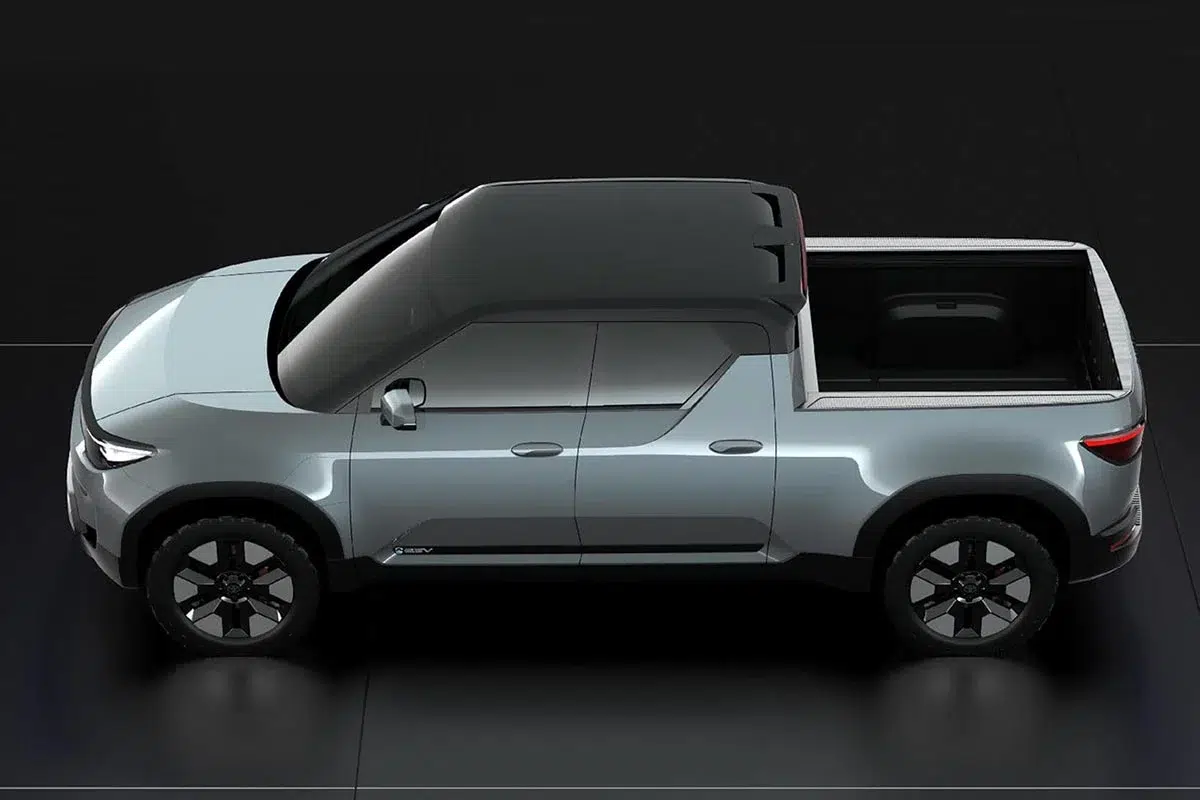
Toyota’s rumored compact pickup represents a dramatic departure from the Hilux’s utilitarian ethos, drawing inspiration from the EPU concept showcased at Japan Mobility Show 2023. This forthcoming model prioritizes urban maneuverability and contemporary aesthetics over traditional workhorse capabilities. Built on unibody construction rather than body-on-frame architecture, the vehicle targets lifestyle-oriented buyers seeking weekend versatility without professional load-bearing requirements.
ToyotaNew Toyota’s $13,000 Hilux Champ truck isn’t coming to AmericaThe design philosophy mirrors successful North American models like Ford Maverick and Hyundai Santa Cruz, which carved profitable niches by blending crossover comfort with occasional utility bed functionality. Toyota envisions a spacious cabin with modern connectivity features, smooth bodywork replacing rugged cladding, and pricing positioned below traditional body-on-frame trucks. This approach aims at younger demographics who prioritize technology integration and fuel efficiency over maximum towing capacity or deep-water fording ability.
European reception remains uncertain due to regulatory complexities surrounding pickup taxation and urban access restrictions. Several key considerations differentiate this concept from established utility vehicles :
- Reduced payload capacity compared to traditional work trucks prioritizing passenger comfort
- Front-wheel-drive or all-wheel-drive systems optimized for pavement rather than extreme off-road conditions
- Compact dimensions suitable for urban parking and narrow European streets
- Hybrid or plug-in hybrid powertrains targeting emissions compliance and operational economy
Much like Toyota’s C-HR hybrid strategy revolutionized compact crossovers through distinctive styling, this pickup aims to establish a fresh segment identity. However, the model faces skepticism from traditionalists who view such compromises as antithetical to Land Cruiser heritage built on unbreakable reliability in challenging environments.
An electric shift that redefines technical priorities
The proposed electric Land Cruiser, previewed through the Land Cruiser Se concept, signals an even more radical transformation. This battery-powered SUV abandons the separate chassis construction that underpinned seven decades of off-road reputation, adopting monocoque architecture prioritizing road refinement over maximum articulation capability. The prototype displayed styling closer to premium Lexus models than traditional expedition vehicles, with taut surfacing and sophisticated proportions targeting affluent family buyers.
Production planning reportedly centers on Toyota’s Georgetown, Kentucky facility, emphasizing North American and Asian markets where electrification adoption accelerates fastest. The vehicle aims to demonstrate that integrated body construction doesn’t necessarily eliminate serious terrain capability, following Land Rover’s controversial Defender redesign precedent. Toyota engineers face the considerable challenge of delivering genuine off-road competence without traditional mechanical advantages like solid axles and extensive suspension travel.
ToyotaToyota is preparing its revenge against the Ford Raptor, this new multi-purpose 4×4 combines the best of the Land Cruiser to create the ultimate weaponCompetitive pressures intensify as manufacturers like Rivian develop purpose-built electric adventure vehicles, while Jeep prepares the Recon to electrify its own off-road legacy. Toyota’s electrification strategy, historically cautious compared to brands pursuing aggressive battery transitions, now accelerates rapidly. The all-electric Land Cruiser must balance contemporary expectations for digital interfaces, driver assistance systems, and zero-emission credentials against core brand values emphasizing dependability in remote locations far from charging infrastructure.
European markets present particular complexity, where established competitors including Peugeot e-3008, Tesla’s expanding lineup, and Skoda Enyaq already dominate family SUV segments. Toyota’s success depends on competitive pricing, class-leading range specifications, and differentiating capabilities that justify Land Cruiser branding beyond nostalgic association with legendary durability.
Strategic positioning in response to conflicting market expectations
Toyota’s dual-track approach attempts reconciling irreconcilable demands from divergent customer segments. Regulatory pressures mandate electrification and emissions reductions, urban demographics seek connectivity and efficiency, yet traditional enthusiasts value uncompromising terrain capability above comfort refinements. The manufacturer risks diluting brand equity built on specific competencies by extending the Land Cruiser name across vehicles fundamentally different in purpose and execution.
Successful precedents exist : Porsche expanded beyond sports cars into profitable SUV segments without destroying Carrera heritage, while Mercedes-AMG performance branding now spans diverse vehicle types. Conversely, cautionary examples demonstrate risks when iconic names attach to compromised products that disappoint core constituencies. Ford’s Mustang Mach-E generated controversy despite commercial success, illustrating tensions inherent in repurposing storied nameplates.
ToyotaToyota GR86 Outroad : the off-road sports car dream from JapanToyota’s innovation parallels broader industry experimentation, where manufacturers explore unconventional formats like Xpeng’s flying car ventures that reimagine personal mobility entirely. The Land Cruiser’s evolution tests whether legendary reputations provide sufficient equity to bridge dramatically different product propositions, or whether authenticity requires maintaining original design philosophies regardless of market evolution.
Future reception depends heavily on execution quality and transparent positioning. If marketed as distinct sub-brands rather than direct successors, these urban-focused models might coexist with traditional body-on-frame variants serving different needs. However, complete replacement risks competitive vulnerability against Jeep Wrangler, Ford Bronco, and Ineos Grenadier, which continue prioritizing hardcore off-road credentials. Toyota must demonstrate that technological progress enhances rather than compromises the fundamental capabilities that established Land Cruiser’s legendary status across challenging environments worldwide.
