
Show table of content Hide table of content
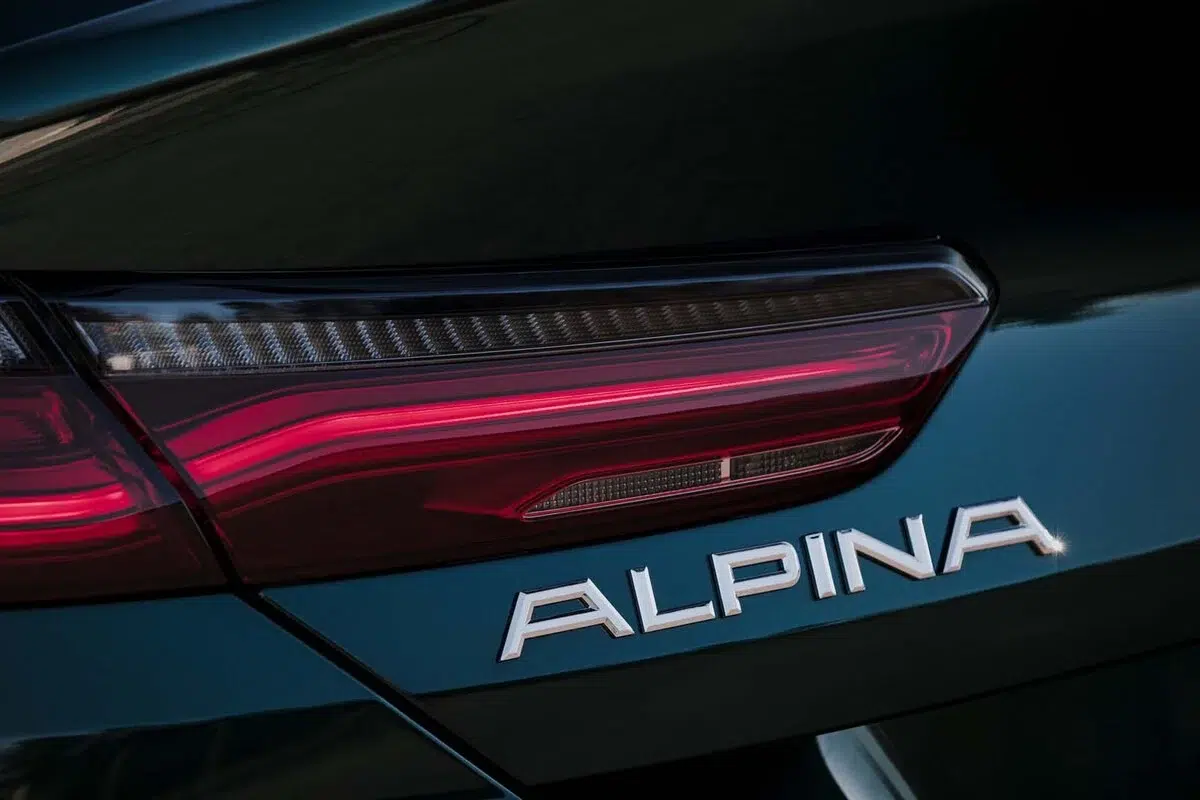
The automotive industry witnesses a significant transformation as Alpina officially joins BMW Group since January 1, 2026. This strategic move elevates Alpina from its traditional role as a specialized tuner to a standalone luxury brand alongside Rolls-Royce. The integration, initiated through an acquisition process in 2022, represents far more than a simple corporate restructuring. It signals BMW’s ambitious vision to redefine luxury vehicle segmentation and challenge established competitors in the premium market.
This transformation carries profound implications for manufacturers, consumers, and the broader automotive landscape. Understanding the strategic motivations behind this decision reveals insights into future luxury vehicle development trends. The collaboration between BMW’s engineering prowess and Alpina’s performance heritage creates unprecedented opportunities for innovation in both traditional and electrified powertrains.
Strategic portfolio expansion reshapes luxury positioning
BMW’s decision to establish Alpina as an independent luxury marque reflects a calculated approach to market diversification. The acquisition strategy differs fundamentally from complete brand absorption, preserving Alpina’s distinctive identity while leveraging BMW’s resources. This approach ensures that exclusivity and personalization remain central to the Alpina experience, attracting clientele seeking alternatives to conventional luxury offerings.
NewsRed Bull RB17 : 1,200 hp V10 hypercar weighs just 900 kgThe automotive giant now operates a multi-tiered luxury structure. BMW serves mainstream premium buyers, Mini targets urban lifestyle enthusiasts, Rolls-Royce caters to ultimate luxury seekers, and Alpina occupies the performance-luxury intersection. This segmentation allows precise targeting of distinct consumer preferences without internal competition. Just as manufacturers refine suspension systems for specific driving experiences—whether considering standard air suspension kits for Mercedes-Benz or other luxury marques—BMW carefully positions each brand for maximum market impact.
The synergies extend beyond vehicle production into technological development and engineering innovation. Alpina’s expertise in refining powertrains, chassis dynamics, and interior craftsmanship complements BMW’s research capabilities. This collaboration accelerates development cycles for advanced driver assistance systems, connectivity features, and sustainable performance technologies. The combined resources enable faster responses to evolving consumer expectations regarding environmental responsibility and digital integration.
Preserving Alpina’s heritage while modernizing operations presents a delicate balance. The brand built its reputation through meticulous hand-finishing, limited production volumes, and bespoke customization options. Scaling these attributes within a larger corporate structure requires careful management to prevent dilution of the brand essence that loyal customers cherish.
Market dynamics and competitive pressures intensify
The elevation of Alpina triggers strategic recalculations among rival manufacturers. Mercedes-Maybach, Bentley, and emerging electric luxury brands must reassess their positioning strategies. The competitive landscape transforms as BMW strengthens its luxury portfolio with a performance-oriented offering that bridges traditional grand touring and modern sportiness.
| Brand | Primary focus | Strategic response potential |
|---|---|---|
| Mercedes-Maybach | Ultimate comfort luxury | Enhanced personalization technology |
| Bentley | British craftsmanship heritage | Accelerated electrification timeline |
| Aston Martin | Sports luxury fusion | Expanded GT model variants |
| Tesla | Electric performance innovation | Premium materials integration |
Mercedes-Benz faces particular pressure to differentiate its AMG and Maybach sub-brands more distinctly. The German rival may accelerate development of exclusive powertrains and introduce more extensive customization programs. Bentley confronts the challenge of maintaining its British luxury positioning while rapidly transitioning toward electric vehicles, a domain where Alpina’s hybridization expertise could provide BMW competitive advantages.
News810 Hp Mustang supercharger kit costs less than a Dacia SanderoTesla represents an interesting case study in luxury market disruption. While the American manufacturer revolutionized electric vehicle acceptance, it traditionally emphasized technology over traditional luxury attributes. The Alpina integration may prompt Tesla to enhance material quality, craftsmanship visibility, and personalization depth. Similar to how buyers evaluate air suspension solutions for Rolls-Royce vehicles, luxury consumers increasingly scrutinize every detail of their purchasing decisions.
Emerging Chinese luxury brands including NIO, HiPhi, and Hongqi observe this consolidation carefully. These manufacturers study Western luxury strategies while developing their own approaches to premium positioning. The Alpina model demonstrates that heritage and specialization retain significant value despite technological disruption.
Consumer benefits extend beyond vehicle specifications
For automotive enthusiasts and luxury buyers, this transformation delivers tangible advantages. The enhanced collaboration between BMW and Alpina accelerates innovation in several critical areas :
- Expanded personalization options through integrated design and engineering resources
- Advanced hybrid powertrains combining performance with environmental consciousness
- Improved connectivity features leveraging BMW’s digital ecosystem investments
- Enhanced safety systems through shared research and development
- Greater global service network accessibility for Alpina owners
The integration promises more consistent quality control while maintaining the artisanal touches that distinguish Alpina vehicles. Buyers gain confidence that their exclusive vehicles benefit from BMW’s manufacturing standards without sacrificing the bespoke elements that justify premium pricing. This combination addresses previous concerns about long-term reliability and parts availability that sometimes accompanied low-volume manufacturers.
Future Alpina models likely incorporate more electrified options, responding to regulatory pressures and consumer preferences. The brand’s expertise in extracting maximum performance from internal combustion engines translates effectively to optimizing electric motor and battery configurations. This evolution positions Alpina to attract environmentally conscious buyers who refuse to compromise on driving dynamics and luxury.
BmwAre BMW standard air suspension kits worth the upgrade ? Complete buyer’s guideThe psychological value proposition strengthens considerably. Purchasing an Alpina now means acquiring not merely a modified BMW, but a product from an officially recognized luxury marque within one of the world’s most prestigious automotive groups. This elevated status enhances ownership pride and potentially improves residual values, making the substantial investment more justifiable for discerning buyers.
Industry transformation signals broader trends
This strategic move illuminates wider patterns reshaping automotive luxury. Consolidation continues as manufacturers seek economies of scale while preserving brand differentiation. The Alpina integration demonstrates that niche specialists can thrive within larger organizations when their unique characteristics receive proper protection and investment.
The emphasis on performance luxury reflects growing consumer sophistication. Modern buyers increasingly reject false choices between comfort and dynamics, tradition and innovation, or luxury and sustainability. Alpina’s positioning directly addresses these evolved expectations, offering vehicles that refuse compromise across multiple dimensions. This holistic approach defines the next generation of automotive luxury.
Technological advancement remains central to competitive success. The collaboration between BMW’s research capabilities and Alpina’s application expertise accelerates development of autonomous driving features, connectivity systems, and electrified powertrains. These innovations spread throughout the BMW Group portfolio, benefiting all brands while maintaining distinctive implementations that preserve individual character.
BmwBMW’s new off-road 4×4 to rival G-Class and Land Cruiser by 2028The success of this integration will likely inspire similar strategies among other manufacturers. Expect increased acquisitions of specialized brands, conversions of tuning houses into official marques, and strategic partnerships designed to capture specific market segments. The automotive industry continues evolving from mass production toward curated brand portfolios targeting precise consumer demographics.
