
Show table of content Hide table of content
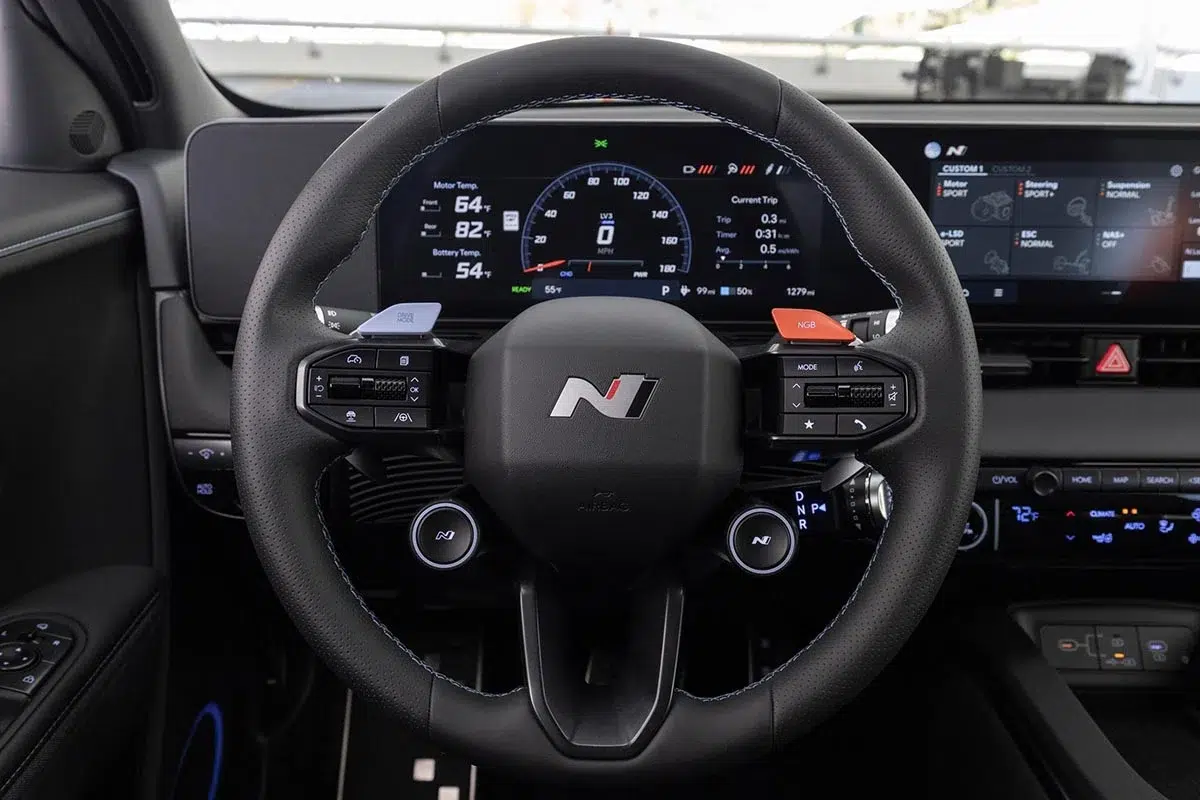
The automotive industry stands at a fascinating crossroads where cutting-edge electric technology meets traditional driving pleasure. Porsche, a brand synonymous with pure driving dynamics, is exploring an unexpected path : recreating the thrill of manual gear changes in its upcoming battery-powered models. This bold initiative draws direct inspiration from Hyundai’s groundbreaking work on the Ioniq 5 N, which successfully demonstrated that electric performance cars don’t necessarily have to abandon the emotional connection drivers once experienced with combustion engines.
While electric vehicles deliver instant torque and breathtaking acceleration, many enthusiasts lament their somewhat sterile character. The Stuttgart manufacturer recognizes this emotional void and appears determined to bridge the gap between technological progress and visceral sensations. By introducing simulated gear shifts, artificial engine notes, and tactile feedback systems, Porsche aims to preserve its legendary driving experience while embracing electrification. This approach represents more than mere nostalgia—it’s a strategic response to evolving market demands in an era where Europe is reconsidering its 2035 combustion engine ban amid economic pressures, creating uncertainty about the transition timeline.
How the Ioniq 5 N disrupted the rules of electric performance
Hyundai’s engineering team delivered something remarkable with their high-performance SUV : a simulated eight-speed transmission that genuinely tricks the senses. The system doesn’t just produce synthetic sounds; it momentarily interrupts torque delivery to replicate the mechanical sensation of clutch engagement and gear changes. This creates an authentic driving rhythm that traditional electric vehicles simply cannot offer. The Korean manufacturer integrated synchronized audio effects, visual tachometer displays, and even artificial engine braking to complete the illusion.
Electric VehicleHongqi SUV with solid-state battery charges in 5 minutesPorsche’s development teams thoroughly evaluated this system and came away impressed by its execution. The Ioniq 5 N proved that emotional engineering could coexist with zero-emission powertrains without compromising performance. According to industry sources, Zuffenhausen engineers are now working on their proprietary interpretation, one that would align with Porsche’s exacting standards for precision and authenticity. The goal extends beyond mere imitation—the German brand seeks to refine and elevate the concept to match its legendary reputation for driver engagement.
What makes this approach particularly compelling is its optional nature. Unlike mandatory features that might alienate purists, drivers could toggle between pure electric silence and simulated combustion character. This flexibility acknowledges diverse preferences within the enthusiast community, allowing each owner to customize their experience. While some competitors like Xpeng are pushing boundaries with innovative flying car technology, Porsche focuses on preserving traditional sports car DNA in electrified form.
| Feature | Traditional manual | Simulated system |
|---|---|---|
| Physical gear changes | Mechanical clutch and gearbox | Electronic torque interruption |
| Sound feedback | Natural engine acoustics | Synthesized audio through speakers |
| Tactile response | Shifter and clutch pedal | Programmable resistance and vibration |
| Driver control | Direct mechanical linkage | Digital interface with multiple modes |
The technical challenges behind the illusion of gear shifting
Creating convincing mechanical sensations in a fully electric drivetrain requires sophisticated software engineering. The system must coordinate multiple elements simultaneously : interrupting power delivery at precisely calculated intervals, triggering appropriate sound effects through the audio system, and updating digital displays to show simulated RPM fluctuations. This complex orchestration demands millisecond-level precision to feel natural rather than artificial. Porsche’s engineers face the additional challenge of making these simulations credible to drivers intimately familiar with genuine manual transmissions.
The computational requirements are substantial. Advanced algorithms must analyze driving conditions, throttle inputs, and selected driving modes to determine optimal shift points and torque modulation patterns. Unlike actual gearboxes with fixed ratios, simulated systems offer infinite flexibility—engineers can program virtually any transmission characteristic, from aggressive race-spec boxes to smooth grand touring setups. This versatility represents both an opportunity and a challenge, as finding the right calibration that feels authentically Porsche requires extensive testing and refinement.
Electric VehicleSubaru Solterra EV : faster than brand’s sports cars despite being SUVSeveral technical considerations must be addressed :
- Power delivery consistency – ensuring torque interruptions don’t compromise acceleration or lap times
- Acoustic authenticity – developing sound profiles that enhance rather than annoy during extended driving
- Battery efficiency – minimizing energy consumption from additional computing and audio systems
- System integration – seamlessly incorporating simulation features within existing vehicle architecture
The Stuttgart manufacturer has considerable experience with driver-focused technology, having pioneered numerous innovations in sports car dynamics. This expertise positions them well to execute simulated transmissions with characteristic precision. Models like the upcoming electric Macan and potential battery-powered variants of the iconic 718 could serve as testing grounds for these systems. Meanwhile, Toyota continues focusing on hybrid solutions rather than pursuing similar simulation approaches.
Between authenticity and artifice: what does the future hold for driving feel?
This technological direction inevitably raises philosophical questions about automotive authenticity. Critics argue that simulating mechanical processes fundamentally contradicts the essence of electric propulsion, reducing driving pleasure to theatrical performance. They contend that manufacturers should instead focus on developing distinctly electric driving characteristics that celebrate rather than disguise the technology. These purists believe that artificially recreating combustion engine traits represents a nostalgic detour rather than genuine innovation.
However, proponents counter that emotion has always been central to the sports car experience. If simulation technology can restore the visceral connection between driver and machine, does the mechanism matter ? BMW’s collaboration with composer Hans Zimmer on synthetic soundscapes for i4 and iX models demonstrates growing acceptance of engineered acoustics. Lexus similarly implemented audio enhancement in the UX 300e. Porsche’s approach extends beyond sound alone, attempting to recreate the complete sensory package that defines engaging driving.
The market impact remains uncertain. While Tesla focuses on raw performance metrics for upcoming models, traditional sports car manufacturers face different expectations from their customer base. Porsche buyers typically value driving experience as much as acceleration figures. For these enthusiasts, customizable emotional engagement could prove decisive when choosing between competing electric sports cars. The ability to select between silent efficiency and simulated mechanical theatre might appeal to those seeking versatility in their daily drivers.
PorschePorsche unveils its most radical 911 GT3 ever — this terrifying Nürburgring video will give you chillsLooking ahead, this technology could influence broader industry trends. As electrification becomes mandatory rather than optional, manufacturers need strategies to preserve brand identity and customer loyalty. Simulation systems offer one pathway, though certainly not the only one. Some brands like Toyota are exploring electric adaptations of iconic models that maintain heritage through design and capability rather than artificial sensations. Ultimately, the market will determine whether Porsche’s approach represents visionary thinking or unnecessary complexity in an already transformed automotive landscape.
