
Show table of content Hide table of content
The Japanese premium brand demonstrates its commitment to hybrid technology by unveiling its refined 2026 model lineup. While competitors rush toward full electric solutions, Lexus maintains confidence in proven powertrains that balance efficiency with practicality. This strategic decision reflects a mature understanding of market needs, particularly among drivers seeking reliable performance without compromising on premium quality. The manufacturer’s approach stands out in a segment increasingly dominated by battery-electric vehicles, offering instead a simplified range centered around a single, well-engineered self-charging hybrid system.
Performance specifications and powertrain architecture
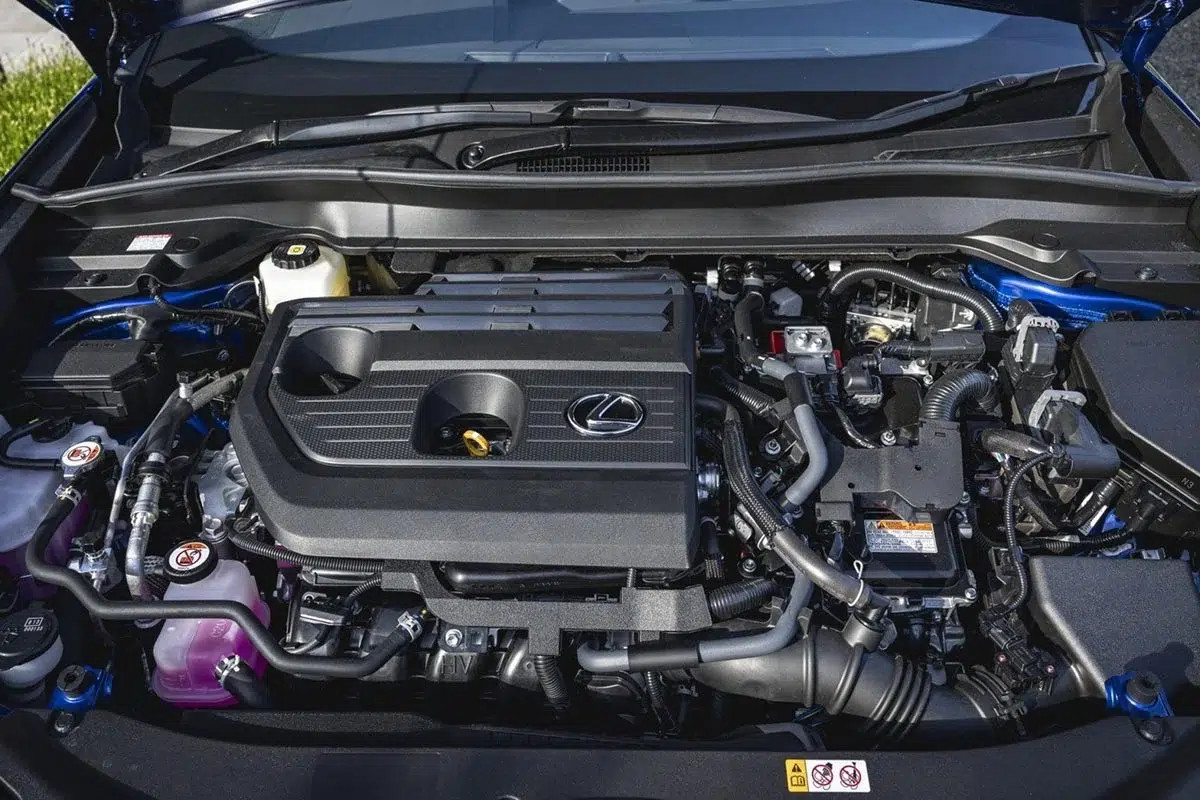
At the heart of this compact SUV lies a sophisticated 2.0-liter gasoline engine paired with an electric motor, delivering a combined output of 199 horsepower. This configuration represents over 15 years of hybrid expertise, refined to deliver optimal efficiency without unnecessary complexity. The continuously variable transmission ensures smooth power delivery, particularly suited for urban environments where stop-and-go traffic demands responsive yet composed acceleration.
The performance figures place this vehicle firmly within mainstream expectations for the segment. Acceleration from standstill to 62 mph requires 8.1 seconds, while maximum velocity reaches 180 mph. These numbers reflect a philosophy prioritizing everyday usability over outright speed. Front-wheel drive remains the sole configuration, as the manufacturer has eliminated all-wheel drive variants from the 2026 lineup, streamlining the offering for greater clarity. This decision may disappoint some enthusiasts, yet it aligns with the brand’s focus on urban-oriented mobility. Similar strategies appear across the segment, as seen in Toyota C-HR hybrid SUV dominates compact car market with design approaches.
Electric VehicleHongqi SUV with solid-state battery charges in 5 minutesFuel consumption averages approximately 5.0 liters per 100 kilometers under mixed driving conditions, with CO₂ emissions rated at 114 grams per kilometer. These figures ensure exemption from penalties in markets with strict emissions regulations, representing a tangible financial advantage for potential buyers. The self-charging nature eliminates infrastructure concerns associated with plug-in variants, offering genuine practicality for drivers without home charging capabilities. Meanwhile, alternatives such as Mercedes diesel-hybrid SUV achieves 120 km electric range explore different electrification paths.
Interior refinement and equipment hierarchy
The cabin receives thoughtful updates that enhance both aesthetics and functionality. Materials selection emphasizes tactile quality, with revised trim panels, metallic accents, and textured surfaces depending on specification level. The central touchscreen benefits from improved integration, offering better responsiveness and more intuitive navigation compared to previous iterations. Wireless connectivity through Apple CarPlay and Android Auto comes standard across all variants, alongside over-the-air update capability for system software.
Passenger accommodation remains appropriate for the compact dimensions, providing comfortable seating for two adults in the rear. Cargo capacity ranges between 320 and 400 liters depending on configuration, which, while not class-leading, proves adequate for typical family requirements. The relatively low loading threshold facilitates everyday use, and the interior finish quality consistently exceeds expectations for vehicles in this price bracket.
Four distinct trim levels structure the range, each targeting different buyer priorities :
- Urban variant : includes cloth upholstery, 17-inch wheels, reversing camera, touchscreen display, and comprehensive driver assistance systems
- F-Sport Legend specification : adds sportier styling elements, dedicated sports seats, and 18-inch alloy wheels
- F-Sport+ configuration : incorporates adaptive suspension, premium audio system, heated steering wheel, and powered tailgate
- Omotenashi top trim : features leather upholstery, ventilated seats, head-up display, premium navigation, and choice of wood or aluminum interior accents
The Lexus Safety System+ comes standard regardless of specification, delivering adaptive cruise control, traffic sign recognition, lane-keeping assistance, and emergency braking functionality. Only the most luxurious features remain exclusive to higher trims, ensuring even entry-level models maintain comprehensive safety equipment. Innovations in competitor offerings like new Mercedes GLB gets electric hybrid power 7-seat versatility demonstrate evolving segment standards.
Pricing structure and market positioning
The financial proposition spans from €40,250 for the base Urban configuration to approximately €56,000 for the flagship Omotenashi variant. This pricing architecture reflects premium positioning while remaining competitive against German rivals commanding similar or higher prices. Regular promotional financing offers occasionally reduce entry-level prices below €39,000, improving accessibility for budget-conscious premium buyers.
| Specification | Starting price |
|---|---|
| UX 199h Urban | €40,250 |
| UX 199h F-Sport Legend | €43,250 |
| UX 199h F-Sport+ | €51,000 |
| UX 199h Omotenashi | €56,000 |
The absence of purchase incentives or penalties represents a neutral fiscal position, contrasting favorably with heavier plug-in hybrids that often incur additional taxes. This straightforward financial profile appeals to pragmatic buyers valuing long-term ownership costs over initial purchase subsidies that may expire or change. The competitive landscape includes models like Kia EV5 WKNDR concept turns electric SUV adventure vehicle, showcasing diverse approaches to sustainable mobility.
Strategic direction and competitive landscape
This model exemplifies deliberate conservatism in an era of rapid technological transformation. Rather than pursuing electrification at all costs, the manufacturer leverages proven hybrid expertise to deliver predictable performance and ownership experience. Against competitors like Audi Q3 mild hybrids, Mercedes GLA 200, or BMW X1 variants, this Japanese offering provides a calmer alternative focused on refinement over technological exhibitionism.
Electric VehicleSubaru Solterra EV : faster than brand’s sports cars despite being SUVThe absence of battery-electric or all-wheel drive options does limit appeal for certain buyer segments. However, the core strengths of smooth operation, anticipated reliability, and meticulous build quality create a compelling proposition for those prioritizing substance over novelty. The extended warranty coverage reinforces confidence in mechanical durability, addressing concerns about long-term hybrid component longevity that some buyers harbor.
Exterior styling remains evolutionary rather than revolutionary, maintaining the distinctive trapezoidal grille, sharp headlight graphics, and sculpted surfaces that define brand identity. Subtle updates include revised paint options, redesigned wheel patterns, and refined chrome detailing. The visual continuity signals confidence in existing design language while incorporating just enough freshness to distinguish the latest generation from its predecessors.
