

Kia pushes the boundaries of electric mobility with its innovative EV5 WKNDR concept, transforming a practical family SUV into a genuine adventure companion. This specialized version builds upon the standard EV5 platform while adding rugged enhancements designed for those seeking escape routes beyond urban environments. With reinforced ground clearance, all-terrain capabilities, and camping-oriented features, this concept vehicle signals a strategic shift in how manufacturers approach electric utility vehicles.
The EV5 WKNDR emerges as Kia’s bold response to adventurous drivers demanding both zero-emission credentials and genuine off-road competence. Measuring 4.62 meters in length, this electrified crossover maintains the practical dimensions of its Sportage sibling while leveraging a dedicated electric architecture for superior interior packaging. The dedicated E-GMP platform enables an optimized wheelbase of 2.75 meters, creating exceptional cabin volume within a compact footprint.
Distinctive vertical LED lighting signatures punctuate the front fascia, echoing design cues from the larger EV9 flagship. Robust body cladding and reinforced lower sections communicate purposeful durability rather than mere aesthetic posturing. The concept showcases extendable roof bars capable of accommodating outdoor gear, while specialized wheel designs wrapped in high-sidewall tires suggest genuine trail capability. This transformation from urban transport to wilderness-ready vehicle demonstrates how electric powertrains can enhance rather than limit recreational potential.
Electric VehicleIt looks like an off-roader, but it’s a hybrid SUV with a battery so powerful it can cover 310 miles without ever starting the gasoline engineUnlike conventional luxury SUVs that prioritize asphalt comfort, the WKNDR variant embraces utilitarian versatility. Washable interior surfaces and modular storage solutions acknowledge the realities of active lifestyles. Similar approaches can be seen in vehicles like Toyota’s electric urban Land Cruiser, which balances heritage off-road capabilities with modern electric architecture. The market increasingly demands vehicles capable of transitioning seamlessly between daily commutes and weekend explorations.
Powering this adventure-oriented crossover is an impressive 81.4 kWh battery pack delivering up to 530 kilometers of WLTP-certified range in optimal conditions. A smaller 64 kWh configuration offers approximately 410 kilometers for budget-conscious buyers. These figures position the electrified SUV competitively against established rivals within the compact family segment, including established players that dominate European markets.
| Configuration | Battery capacity | Estimated range | Drivetrain |
|---|---|---|---|
| Standard | 64 kWh | 410 km WLTP | Front-wheel drive |
| Long range | 81.4 kWh | 530 km WLTP | Front-wheel drive |
| AWD (future) | 81.4 kWh | TBD | All-wheel drive |
The standard powertrain features a 217-horsepower electric motor (160 kW) driving the front wheels exclusively at launch. Future iterations may introduce dual-motor all-wheel-drive configurations, enhancing traction for more demanding terrain. Rapid charging capabilities reach 125 kW, enabling battery replenishment from 30 to 80 percent in approximately 27 minutes at compatible stations. This charging speed proves essential for extending adventure radius beyond familiar territories.
Vehicle-to-Load functionality represents a crucial advantage for outdoor enthusiasts. This bidirectional charging technology transforms the crossover into a mobile power station, capable of operating camping equipment, power tools, or emergency appliances. Such features distinguish modern electric vehicles from their combustion predecessors, offering practical advantages beyond emissions reduction. Other manufacturers like Audi with its luxury 4×4 development recognize similar potential in electrified adventure platforms.
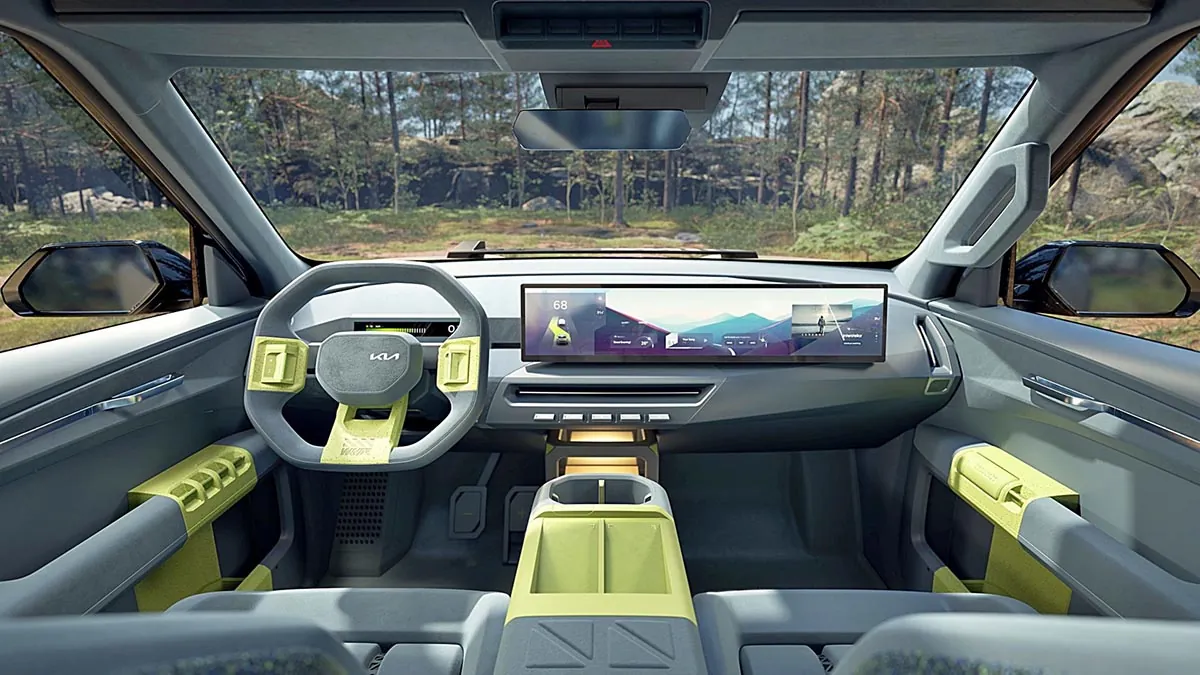
Interior design prioritizes flexibility over conventional luxury appointments. The cabin features dual panoramic screens measuring 12.3 inches each, integrating driver instrumentation with infotainment functions. Recycled materials demonstrate environmental consciousness without compromising perceived quality. Minimalist control layouts reduce visual clutter while maintaining essential functionality.
Electric VehicleHongqi SUV with solid-state battery charges in 5 minutesThe WKNDR concept introduces innovative seating arrangements where chairs can pivot or recline, converting the cabin into a relaxation zone or mobile workspace. This “lounge approach” reimagines automotive interiors as multipurpose living spaces rather than mere transportation vessels. Cargo capacity approaches 490 liters with seats upright, expanding substantially through 60/40 split-folding rear bench configurations. Strategic integration of USB-C ports and 220V outlets throughout the cabin acknowledges modern connectivity requirements.
Modular storage solutions specifically accommodate outdoor equipment including bicycles, paddleboards, and camping gear. Interior surfaces designed for easy cleaning acknowledge the inevitable dirt and moisture accompanying outdoor activities. This practical approach mirrors strategies employed in commercial van conversions but packages them within a more refined SUV format. The transformation echoes innovations seen in versatile family vehicles like the Mercedes GLB with its 7-seat flexibility, demonstrating how premium manufacturers adapt to changing consumer priorities.
Kia’s presentation of such a production-ready concept at Auto Guangzhou signals serious commercial intentions. While official confirmation remains pending, the sophisticated development level suggests European availability could materialize by late 2025. This timeline positions the adventure-spec crossover to capitalize on growing demand for versatile electric vehicles capable of authentic outdoor use.
The strategic importance becomes clear when considering market evolution. Families increasingly seek vehicles eliminating compromise between environmental responsibility and recreational capability. Traditional combustion-powered SUVs dominated this space through mechanical simplicity and fuel availability in remote areas. Electric alternatives now offer sufficient range and rapid charging infrastructure to challenge that dominance, particularly for regional adventures rather than transcontinental expeditions.
Electric VehicleSubaru Solterra EV : faster than brand’s sports cars despite being SUVPricing strategy will prove crucial for market penetration. The Korean manufacturer has historically positioned offerings competitively while delivering generous equipment levels. Key competitive advantages include :
- Comprehensive warranty coverage reducing ownership anxiety around expensive battery components
- Included charging cables and home installation support simplifying the transition to electric mobility
- Standard advanced driver assistance systems typically reserved for premium trim levels
- Transparent pricing without complex option packages inflating final purchase costs
Should the WKNDR variant reach production, it could establish a new category within the electric vehicle landscape : accessible adventure crossovers combining genuine capability with mainstream pricing. This positioning addresses an underserved market segment where current offerings either prioritize luxury pricing or compromise practical utility. Success would validate electric powertrains as enhancing rather than limiting recreational vehicle potential.
