
Show table of content Hide table of content
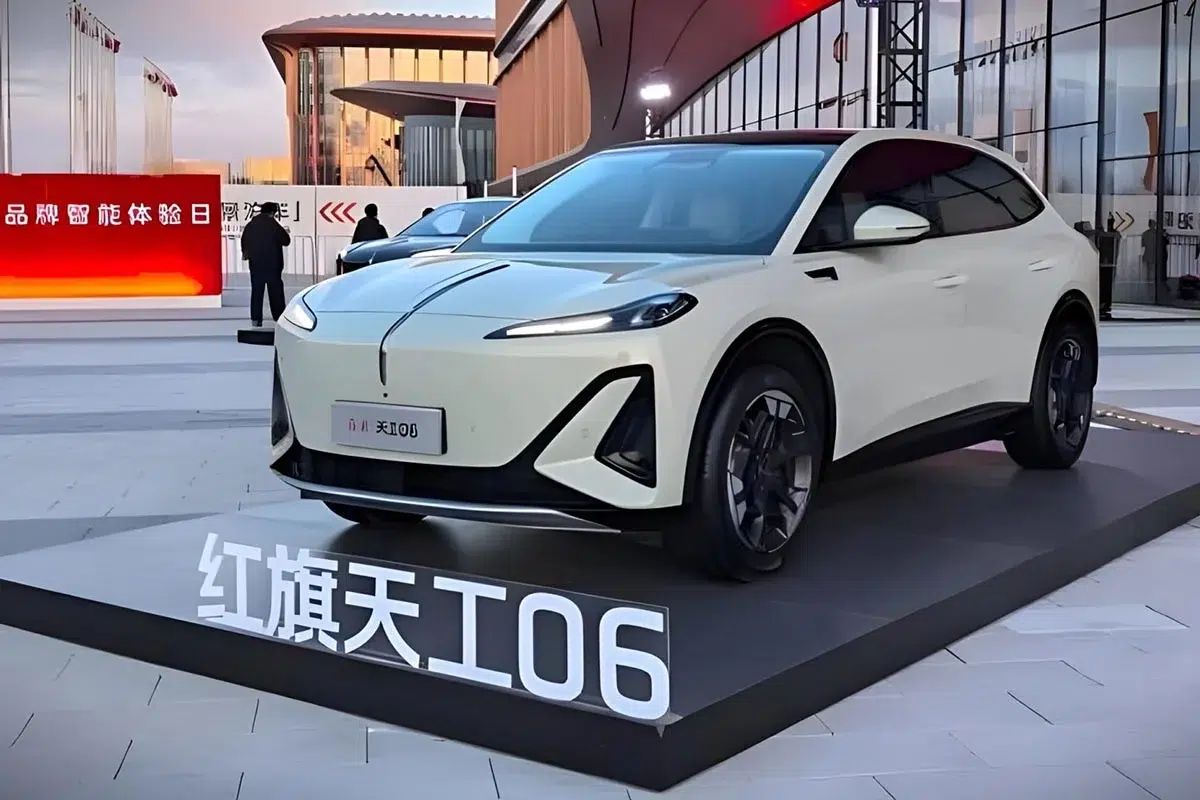
Solid-state battery technology has finally moved from research labs to real-world applications, and Hongqi’s latest prototype demonstrates this breakthrough with unprecedented clarity. The FAW-backed manufacturer has unveiled a fully functional version of the Tiangong 06 SUV equipped with a sulfur-based solid electrolyte battery, marking a pivotal moment in automotive electrification. Unlike conventional lithium-ion packs that rely on flammable liquid electrolytes, this advanced energy storage system promises enhanced stability, superior energy density, and dramatically reduced charging times. The prototype achieves a remarkable 60 Ah capacity while targeting 900 Wh/L energy density, representing approximately 40% improvement over current technologies. This development arrives at a critical juncture when Chinese manufacturers are competing fiercely to dominate the next generation of electric vehicle propulsion.
The revolutionary charging capabilities reshaping EV expectations
The most compelling aspect of Hongqi’s solid-state innovation lies in its ultra-rapid charging performance. The system promises complete recharging cycles in under 10 minutes under optimal conditions, a capability that fundamentally transforms electric mobility. This represents a quantum leap compared to today’s fastest-charging systems, which typically require 20 to 30 minutes for 80% capacity. The sulfur-based electrolyte configuration enables higher current acceptance without thermal degradation, while maintaining stability across extreme temperature ranges. Engineers have reportedly overcome the interface instability issues that previously plagued solid-state designs, where poor contact between electrode and electrolyte caused performance degradation.
Beyond charging speed, the technology delivers exceptional longevity characteristics. Laboratory testing indicates the battery maintains performance integrity beyond 1,000 charge cycles without significant capacity loss. This durability stems from the solid electrolyte’s resistance to dendrite formation, a common failure mode in liquid electrolyte systems. The thermal management architecture has been redesigned to accommodate the unique heat distribution patterns of solid-state cells, ensuring consistent performance regardless of ambient conditions. This advancement addresses one of the primary concerns preventing widespread solid-state adoption, demonstrating that theoretical benefits can translate into practical applications. Just as Xpeng beats Musk to market with first mass-produced flying car, Chinese manufacturers continue pushing technological boundaries.
| Battery characteristic | Conventional lithium-ion | Hongqi solid-state |
|---|---|---|
| Energy density | 600-650 Wh/L | 900 Wh/L (target) |
| Full charge time | 30-45 minutes | Under 10 minutes |
| Cycle life | 800-1,000 cycles | 1,000+ cycles |
| Real-world range | 400-500 km | 800-1,000 km |
Design integration and vehicle architecture considerations
The Tiangong 06 measures 4.79 meters in length, positioning it squarely within the premium family SUV segment alongside competitors like Tesla Model Y. However, the vehicle’s significance extends far beyond its dimensions. Hongqi designed a dedicated platform architecture specifically engineered to maximize solid-state battery advantages. This purpose-built approach differs fundamentally from retrofitting existing vehicle structures, allowing engineers to optimize weight distribution, thermal management pathways, and crash protection systems around the unique characteristics of solid electrolyte cells. The platform incorporates advanced cooling circuits that maintain optimal operating temperatures across varying environmental conditions.
China598 Hp Changan NEVO E07 : SUV, pickup and family car in oneInterior space benefits significantly from the compact battery packaging enabled by higher energy density. The flat floor configuration typical of electric vehicles becomes even more pronounced, enhancing passenger comfort and cargo flexibility. Digital instrumentation and central touchscreen interfaces have been specifically calibrated to display real-time battery performance metrics unique to solid-state technology. The cabin design emphasizes the vehicle’s premium positioning while incorporating sustainable materials aligned with contemporary environmental expectations. Similar approaches to versatile design can be seen in vehicles like the 598 Hp Changan NEVO E07 : SUV, pickup and family car in one, demonstrating evolving consumer priorities.
Exterior styling combines aerodynamic efficiency with distinctive visual identity. The closed front grille characteristic of electric vehicles receives refined detailing, while streamlined bodywork reduces drag coefficient for maximum range efficiency. Projector headlights utilize advanced LED technology, contributing to the vehicle’s modern appearance while minimizing energy consumption. The design language signals premium positioning without excessive ornamentation, targeting buyers seeking sophisticated technology wrapped in elegant presentation. This aesthetic strategy positions the Tiangong 06 as both technological showcase and practical family transportation, much like how Kia EV5 WKNDR concept turns electric SUV into adventure vehicle reimagines utility.
Manufacturing challenges and commercialization timeline
Despite impressive technical achievements, significant obstacles remain before mass production becomes reality. Manufacturing costs currently exceed conventional battery production by substantial margins. The specialized materials, precision fabrication processes, and rigorous quality control protocols necessary for solid electrolyte cell production require entirely new supply chains. Production equipment designed for liquid electrolyte systems cannot simply be repurposed, demanding capital investment in dedicated manufacturing infrastructure. These economic realities explain why solid-state technology has remained confined to laboratories despite decades of research.
Hongqi’s ambitious 2027 production target reflects confidence in overcoming these barriers. The manufacturer controls substantial portions of its supply chain through parent company FAW, providing advantages in vertical integration and cost management. Several key factors could enable successful commercialization :
- Government support for advanced battery technology development through subsidies and research funding
- Economies of scale achieved through China’s massive domestic electric vehicle market
- Proprietary manufacturing techniques developed internally rather than licensing external technology
- Strategic material sourcing leveraging China’s dominant position in battery raw material processing
Competing manufacturers like Toyota pursue more conservative development timelines, suggesting Hongqi’s aggressive schedule carries inherent risks. However, being first to market with commercially viable solid-state batteries would provide substantial competitive advantages in rapidly evolving global markets. The strategy mirrors approaches taken by manufacturers offering diverse powertrain options, similar to how BYD Atto 3 DM-i : the family SUV hybrid worth waiting for addresses varied consumer preferences.
Implications for global automotive markets and European adoption
European consumers stand to benefit significantly if solid-state technology achieves commercial viability. The prospect of 1,000-kilometer real-world range eliminates range anxiety completely, while 10-minute charging times approach conventional refueling convenience. Enhanced safety characteristics address concerns about thermal runaway incidents, potentially influencing regulatory frameworks and insurance considerations. These improvements could accelerate electric vehicle adoption among consumers previously hesitant about current technology limitations.
ChinaIt looks like an off-roader, but it’s a hybrid SUV with a battery so powerful it can cover 310 miles without ever starting the gasoline engineHowever, European market entry requires meeting stringent homologation standards and establishing service infrastructure. Chinese manufacturers face ongoing scrutiny regarding data privacy, government subsidies, and geopolitical considerations that complicate market access. The competitive landscape could shift dramatically if Hongqi successfully delivers on its promises while established European manufacturers lag in solid-state development. Traditional automotive powerhouses risk ceding technological leadership in a critical area, much as concerns emerge when Toyota is preparing an urban electric Land Cruiser — and this shift has off-road purists worried about fundamental changes.
The broader strategic implications extend beyond individual vehicle sales. China’s dominance in lithium-ion battery production provided substantial economic advantages and geopolitical leverage. Establishing similar control over solid-state battery technology would reinforce this position while potentially creating new dependencies for Western manufacturers. European policymakers and industry leaders recognize the urgency of developing domestic solid-state capabilities, but face challenges matching the scale of Chinese investment in advanced battery research and manufacturing infrastructure.
