
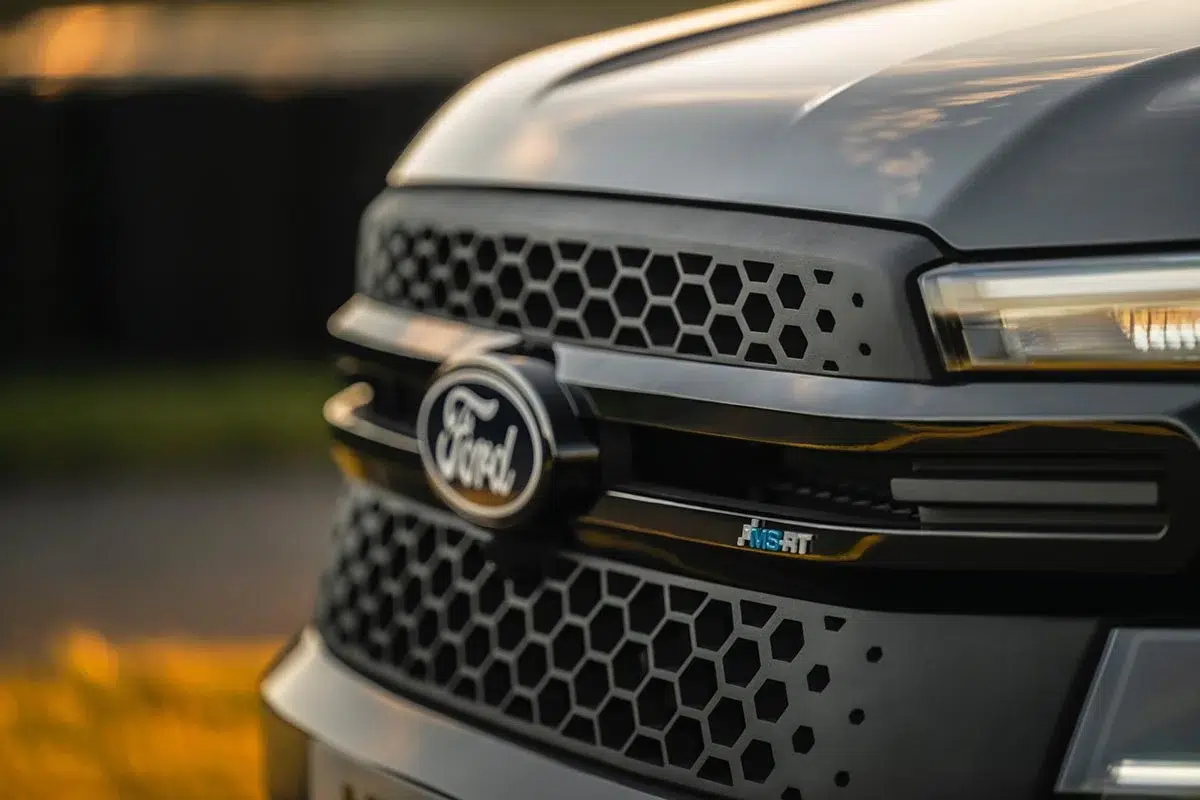
The American automotive landscape faces a paradigm shift as Ford pivots toward affordable electric mobility. While consumers expected the brand to double down on premium electric trucks following the F-150 Lightning, the manufacturer now charts a completely different course. A budget-conscious electric pickup, smaller than the Ranger and significantly more accessible financially, emerges from Ford’s development studios. Yet this promising alternative remains locked behind regulatory and strategic barriers that prevent its arrival on European soil, leaving continental buyers frustrated and underserved.
Ford’s decision to develop a compact electric pickup stems from hard-learned lessons about market realities. The F-150 Lightning, despite its technological prowess, proved too expensive to manufacture at scale and too costly for mainstream buyers. Production complications and limited profitability forced management to reconsider their entire electric truck strategy. Rather than persisting with heavyweight platforms requiring massive investment, the company opted for radical simplification.
FordWhy are dropped I-beams popular for lowering Ford F150 trucks ?This strategic recalibration centers on a dedicated electric platform scheduled for 2027, designed specifically for mid-size utility vehicles. The engineering brief emphasizes practicality over sophistication : reduced electronic complexity, robust construction methods, and affordable manufacturing processes. Ford aims to capture the heart of North American commercial buyers who need genuine work capability without premium pricing. This approach represents a fundamental departure from the technology-laden vehicles dominating current electric offerings.
The platform’s modular architecture allows configurations ranging from single cab to crew cab variants, with load beds proportioned for professional applications rather than lifestyle positioning. Material choices favor durability and ease of maintenance over luxury finishes. The resulting vehicle targets contractors, agricultural operations, and fleet managers seeking reliable electric transportation without unnecessary features inflating purchase costs. While US V8 engines continue outselling electric vehicles, Ford bets this pragmatic approach will resonate with practical buyers.
Design philosophy for this upcoming model prioritizes utility above aesthetics. The exterior adopts minimalist electric vehicle styling with a solid front panel, continuous lighting signature, and elevated ground clearance. Dimensions remain deliberately compact compared to current Ranger specifications, improving maneuverability in confined worksites and urban delivery scenarios. The shortened wheelbase enhances approach and departure angles for light off-road capability.
FordAre Ford plug and play air suspension kits worth the investment ?Interior appointments reflect the vehicle’s utilitarian mission. Washable surfaces replace premium upholstery materials, while straightforward digital instrumentation provides essential information without overwhelming complexity. Storage solutions focus on practical tool and equipment accommodation rather than consumer comfort features. The cabin design acknowledges that professional users spend significant time in their vehicles but prioritize functionality over luxury.
Battery specifications remain undisclosed, though industry analysts expect moderate capacity optimized for daily work cycles rather than extreme range. Charging infrastructure integration will likely emphasize workplace and depot charging solutions matching commercial usage patterns. Ford’s engineering team reportedly prioritized battery longevity and thermal management over maximum capacity, recognizing professional buyers value reliability across extended service lives. Similar approaches have proven successful, as demonstrated when BYD extended warranties to 250,000 kilometers.
European market entry faces insurmountable obstacles despite apparent demand for such vehicles. Regulatory compliance represents the first major hurdle. European safety standards require extensive modifications to North American-spec vehicles, demanding significant engineering investment. Pedestrian protection regulations, mandatory safety systems, and lighting specifications all necessitate platform adaptations that erode the model’s fundamental cost advantage.
FordIs the Ford F250/F350 plug & play air suspension kit the best for Super Duty trucks ?Weight-based taxation presents another critical barrier. Even compact electric pickups carry substantial battery mass, triggering ecological penalty thresholds in multiple European markets. France’s malus system particularly penalizes vehicles exceeding specific weight limits, potentially adding thousands of euros to purchase costs. Combined with homologation expenses and limited projected sales volumes, the business case collapses rapidly.
Ford Europe’s strategic priorities compound these challenges. The regional division focuses resources on products calibrated for continental preferences : compact crossovers, efficient family vehicles, and urban-oriented electric models. Management questions whether sufficient European buyers exist for a stripped-down electric utility vehicle when traditional pickup sales remain relatively modest outside specific professional niches. Similar constraints affect other markets, as evidenced by Europe’s ongoing combustion engine debates.
French buyers face a shrinking selection of affordable utility vehicles. Japanese manufacturers once dominated this segment with straightforward models like the Mitsubishi L200, Nissan Navara, and Toyota Hilux in basic configurations. These options have either departed European markets entirely or evolved toward premium positioning with corresponding price increases. Current offerings cluster around sophisticated, expensive variants poorly suited to budget-conscious professional buyers.
FordFord Escort RS Mk1 by Boreham: the return of an icon, powered by a 330-hp naturally aspirated engine that revs to 10,000 rpmEmerging Chinese alternatives attempt filling this gap, though with mixed success :
- Maxus T90 EV provides electric propulsion but lacks established service networks
- JAC Hunter offers competitive pricing yet struggles with brand recognition concerns
- Specialty conversions exist but remain prohibitively expensive for mainstream adoption
- Traditional manufacturers continue focusing on higher-margin premium products
The vacuum becomes particularly acute for agricultural operations, construction firms, and municipal services seeking affordable electric work vehicles. These buyers value simplicity, repairability, and total cost of ownership over advanced features or brand prestige. Ford’s North America-exclusive pickup directly addresses needs that remain unmet across Europe, creating frustration among potential customers who recognize the product’s suitability for their requirements.
Alternative solutions from other manufacturers occasionally surface, such as versatile platforms combining multiple body styles, though these rarely prioritize affordability. Meanwhile, buyers interested in maintaining existing vehicles explore options like aftermarket suspension upgrades to extend service life. Some observers compare this situation to range-extended vehicles offering practical compromises, suggesting hybrid solutions might bridge the gap until truly affordable electric utility vehicles reach European markets.
